


Nuristan: the hidden valleys once known as Kafiristan
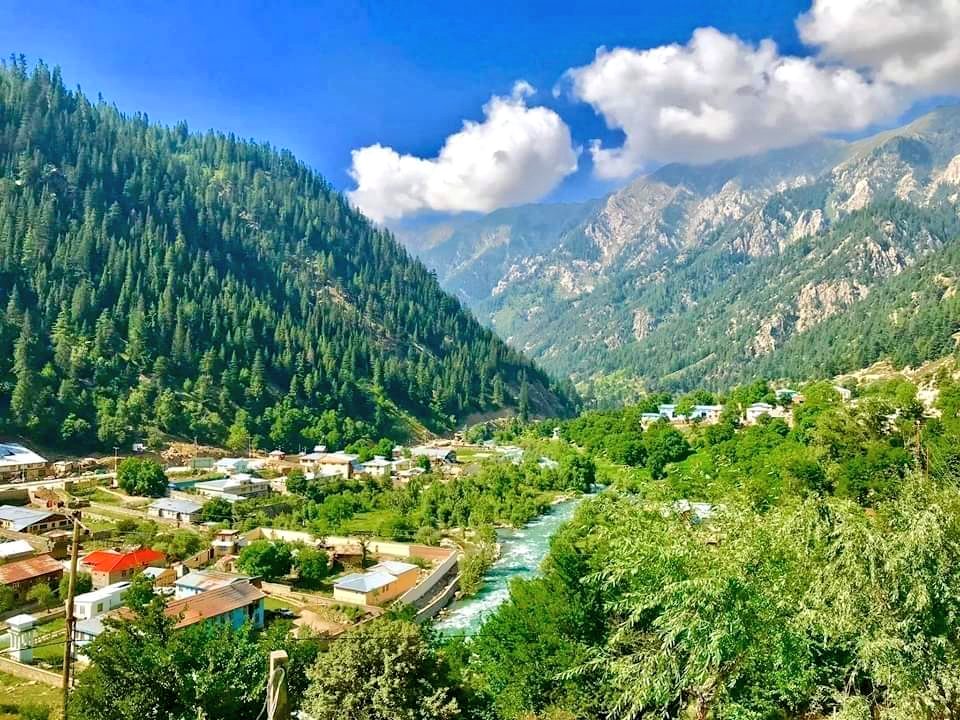
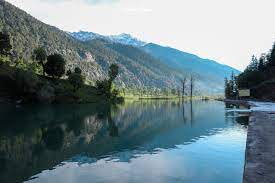
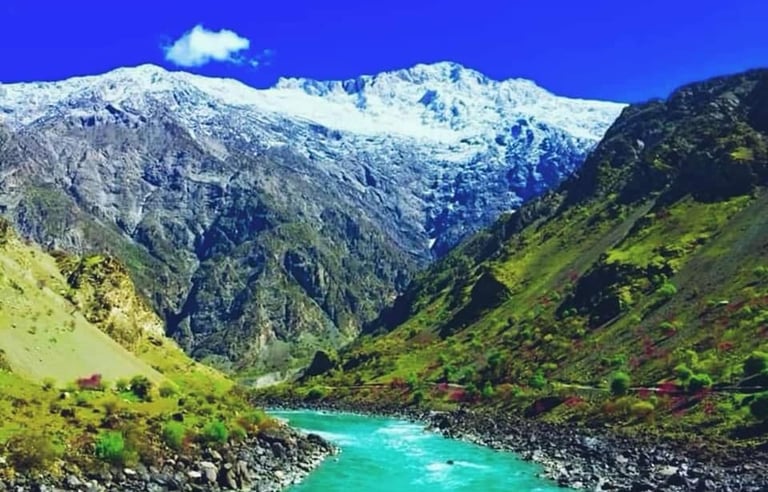
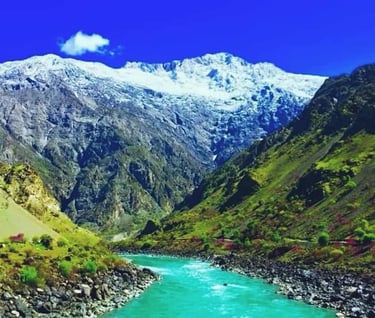
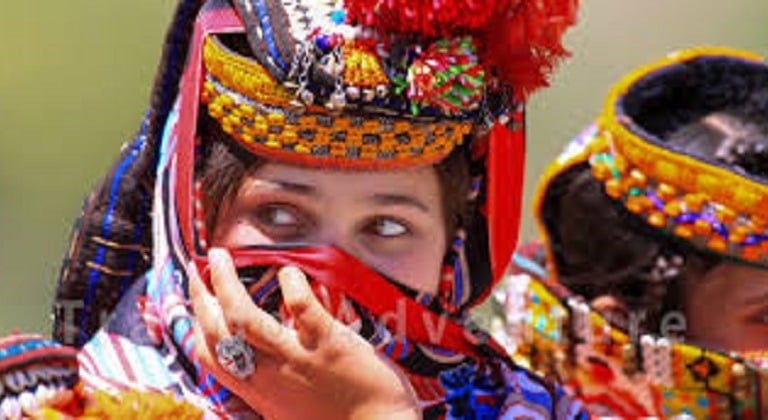
Nuristan is a hard-to-reach region in the mountains of north-east Afghanistan. It takes around ten hours of driving through narrow mountain tracks to venture there and discover this hidden jewel. The scenery is worth the ride: steep canyons, snow-capped peaks, lush green valleys and tumultuous rivers. The people of Nouristan are known for their lively folk dances and colourful customs. By exploring Nouristan, you will have the opportunity to discover a true hidden treasure of Afghanistan. Exuberant nature and cultural richness melt in harmony.
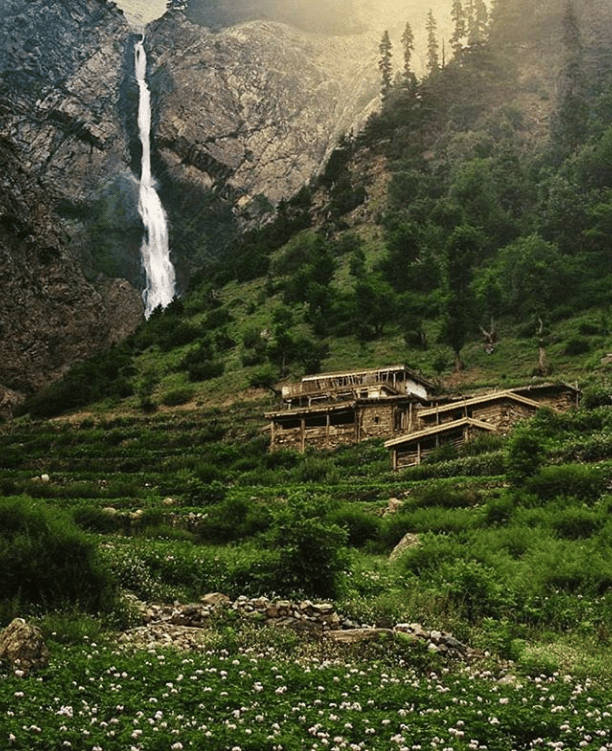
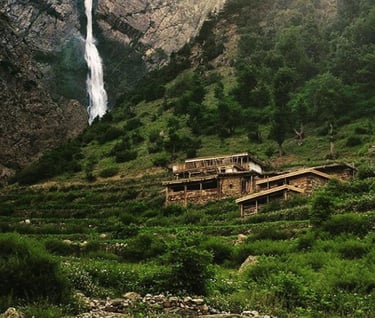
The inhabitants of Nouristan were once called as Kafirs, which means "infidels" in Persian. Their religion was an ancient and unique form of polytheism. However, in the 19th century, Islam was introduced, radically changing the society and beliefs. Despite this, in Nuristan still remain many vestiges of its fascinating past, such as temples, sculptures and ancient writings. Today, Nouristan attracts history lovers and archaeologists from all over the world who are keen to learn more about this mysterious and captivating region.
Nuristan, Afghanistan’s hidden corner
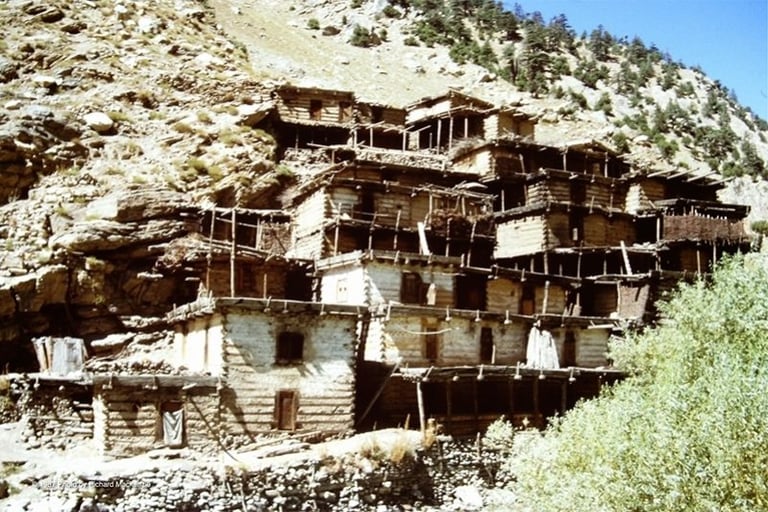
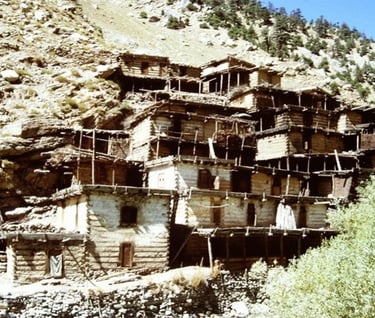
Nuristan is the part of Afghanistan that looks like nowhere else. Steep forested valleys, timber houses stacked up the slopes, and villages that feel a century away from Kabul. It’s remote, it’s green, and it has a history all of its own.
A world apart
Until the 1890s this region was known as Kafiristan, the "land of the unbelievers", with its own religion, languages and customs. It’s still one of the most distinct cultures in the country, and the landscape, all cedar forest and rushing rivers, looks nothing like the dry highlands most people picture.
Let’s be honest about getting there
Nuristan is hard to reach. The roads are rough, the valleys are isolated, and access depends on the season and the situation.
This is not a quick stop, it’s a proper expedition, and we only arrange it when we’re confident it can be done well. We run Nuristan on request, as a private expedition rather than a fixed departure.
What a visit looks like
Time in the villages, at the pace the mountains set.
Walks between hamlets, with your guide translating and smoothing the way.
Nights as a guest of local families.
It suits travellers who’ve done the classic route and want something further off the map.
Talk to us about Nuristan
If this is the trip you’re dreaming of, tell us. We’ll be straight about what’s possible and when, and we can shape it into a private trip.
Nuristan: the hidden valleys once known as Kafiristan
Until a little over a century ago, this corner of Afghanistan was called Kafiristan, the land of the unbelievers.
Cut off in the folds of the Hindu Kush, its people kept their own gods, their own languages and a way of life older than Islam itself. Today it is Nuristan, one of the most remote and least understood regions of the country, and one of the most fascinating. Here is its story, its people, and the honest answer on whether you can go.
[ IMAGE : réutiliser une photo existante d'une vallée verte du Nuristan, plein cadre. Alt : the green cedar valleys of Nuristan ]
Nuristan at a glance
Where
Northeast Afghanistan, southern slopes of the Hindu Kush
Former name
Kafiristan, until the 1890s
The people
The Nuristani, five languages, fifteen tribes
Landscape
Cedar forests and carved timber villages
Getting there
About 100 km from Kabul, but two days by road
Season
April to October
From Kafiristan to the land of light
Until the 1890s this region was called Kafiristan, "the land of the unbelievers", because its people were not Muslim. They worshipped their own gods, made wine, and lived by their own laws deep in valleys almost no outsider ever reached.
In 1895 the Afghan emir Abdur Rahman Khan sent his army over the passes, conquered the valleys and forced the people to convert. He renamed the region Nuristan, "the land of light". A whole religious world disappeared within a few years, and its memory still colours everything here.
A people unlike anyone else in Afghanistan
The Nuristani stand apart from every other group in the country. Legend has it they descend from the soldiers of Alexander the Great, and they still look, dress and speak differently from their neighbours. What sets them apart:
They speak their own languages, five of them, from a branch of Indo-European found nowhere else, split across fifteen tribes.
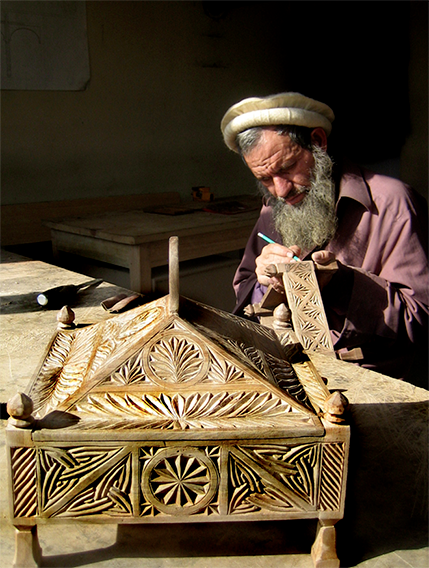
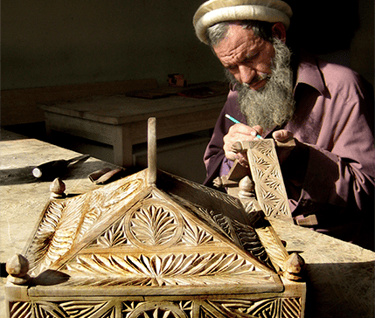
They kept a rich tradition of carved wood, music and dance that outlived the conversion.
Their features and old customs have fascinated travellers and anthropologists for over a century.
[ IMAGE : réutiliser une photo existante d'habitants ou d'un village nuristani. Alt : a Nuristani village and its people ]
Wooden villages in the cedar forests
Forget the dry, brown Afghanistan of the news. Nuristan is green. Steep valleys are covered in cedar and pine, rivers run clear and cold, and villages of stone and carved timber cling to the slopes, house stacked on house.
Much of it now sits inside Nuristan National Park. It looks, and feels, like nowhere else in the country.
The land that inspired Kipling
If it sounds like the stuff of adventure novels, that is because it is. Rudyard Kipling set his story "The Man Who Would Be King" here, in the old Kafiristan, where two adventurers set out to become kings.
It was later filmed with Sean Connery and Michael Caine. The real Nuristan is every bit as remote as the legend.
Getting to Nuristan is the hard part
This is not a place you drop into. It lies only about 100 kilometres from Kabul as the crow flies, but the roads are so rough that reaching it takes around two days.
The infrastructure is basic: simple guesthouses in villages like Kamdesh and the provincial capital Parun, rough tracks rather than marked trails, and little in the way of comfort. The season runs roughly April to October, before the snow closes the passes.
Can you actually visit Nuristan?
Honestly, only if you really want it. Nuristan is a serious, high-commitment expedition, not a box you tick on a standard tour.
Access depends on the season and the security of the moment, and it only works with the right local contacts and a guide who knows the valleys. We arrange it on request, as a private trip, and we will always be straight with you about what is possible and when. If the classic route feels too tame and this is the Afghanistan you dream of, this is for you. Build a private trip with us.
What travellers ask us first
Where is Nuristan?
In the northeast of Afghanistan, on the southern slopes of the Hindu Kush, along the border with Pakistan.
Is Nuristan safe to visit?
It is remote and conditions vary, so we assess it case by case and only go when we are confident. See how we handle safety.
How long does it take to get there?
About two days by road from Kabul, over rough mountain tracks.
When can you go?
Roughly April to October, before the snow closes the passes.
Dreaming of Nuristan? Tell us
This is the trip for travellers who have done the rest and want the truly remote. Tell us what you have in mind and we will tell you honestly what we can do. Start a private trip or get in touch.
UAE
B.C.1305543
4442612247
Contacts
@unique.afghanistan
uniqueafghanistan@proton.me
Unique Afghanistan