



Bamyan, Afghanistan | Travel Guide & Tours
Bamyan, where two giant Buddhas once stood, is one of the calmest, most beautiful corners of Afghanistan. How to get there, when to go, and what it’s like.
The Buddhas of Bamyan were two enormous statues measuring 55 and 37 meters high, located in the Bamyan valley of Afghanistan. Carved into the side of a cliff in the 6th century, they were considered to be some of the largest standing Buddha statues in the world. Unfortunately, both statues were destroyed by the Taliban in 2001, as part of their campaign against idolatry. Though their loss was a tragedy, the Buddha statues of Bamiyan remain a powerful symbol of the beauty and complexity of Afghanistan's cultural heritage.
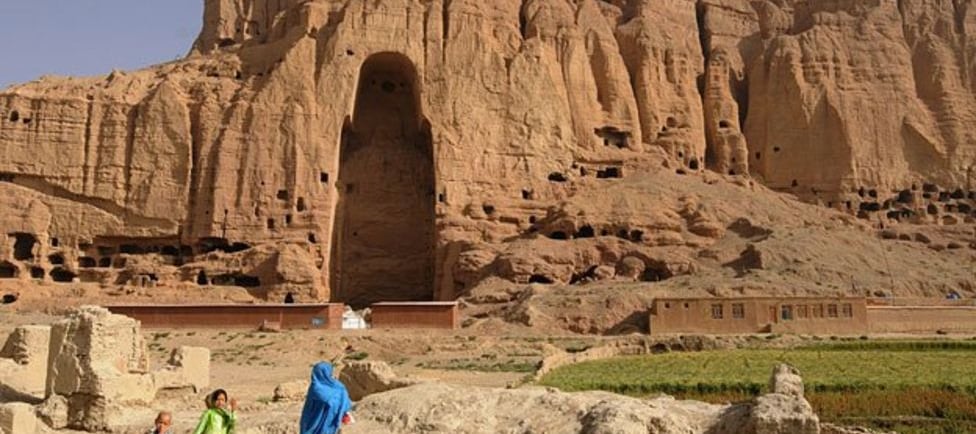
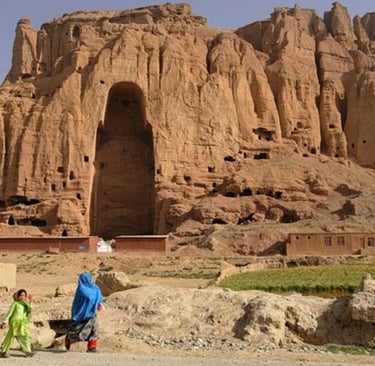
The remains'of the Buddahs of Bamyan
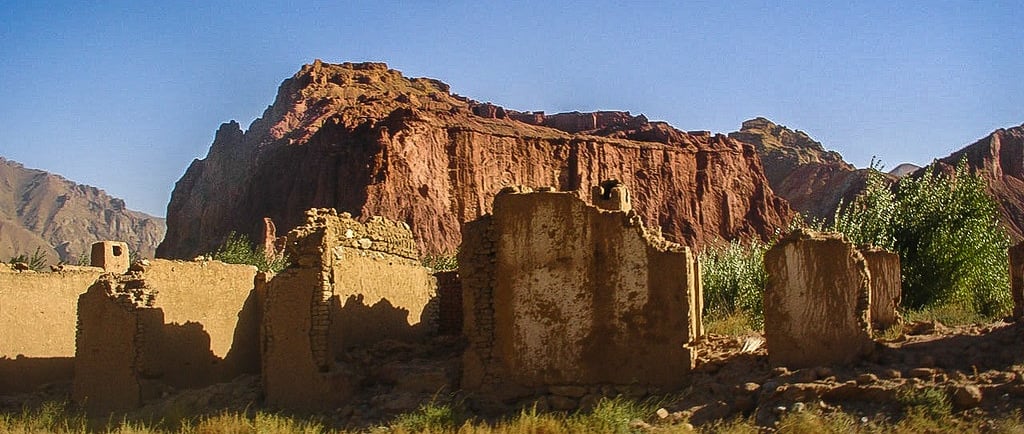
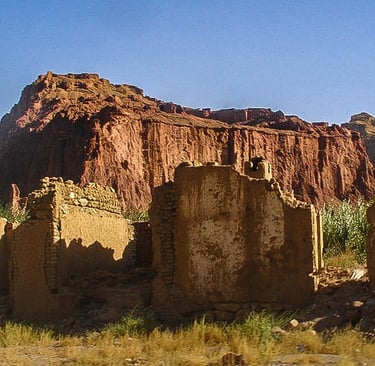
The red city of Bamyan is a picturesque and historical city located in central Afghanistan. It is known for its stunning red sandstone cliffs and unique Buddhist architecture dated back to 1500 years ago. Bamyan is also the mother of several ancient caves and rock formations popular with hikers and nature enthusiasts.
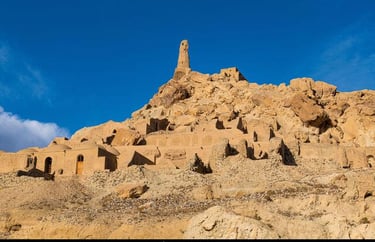
Shar-e Zahak the red city
Shar-e Gholghola the city of screams
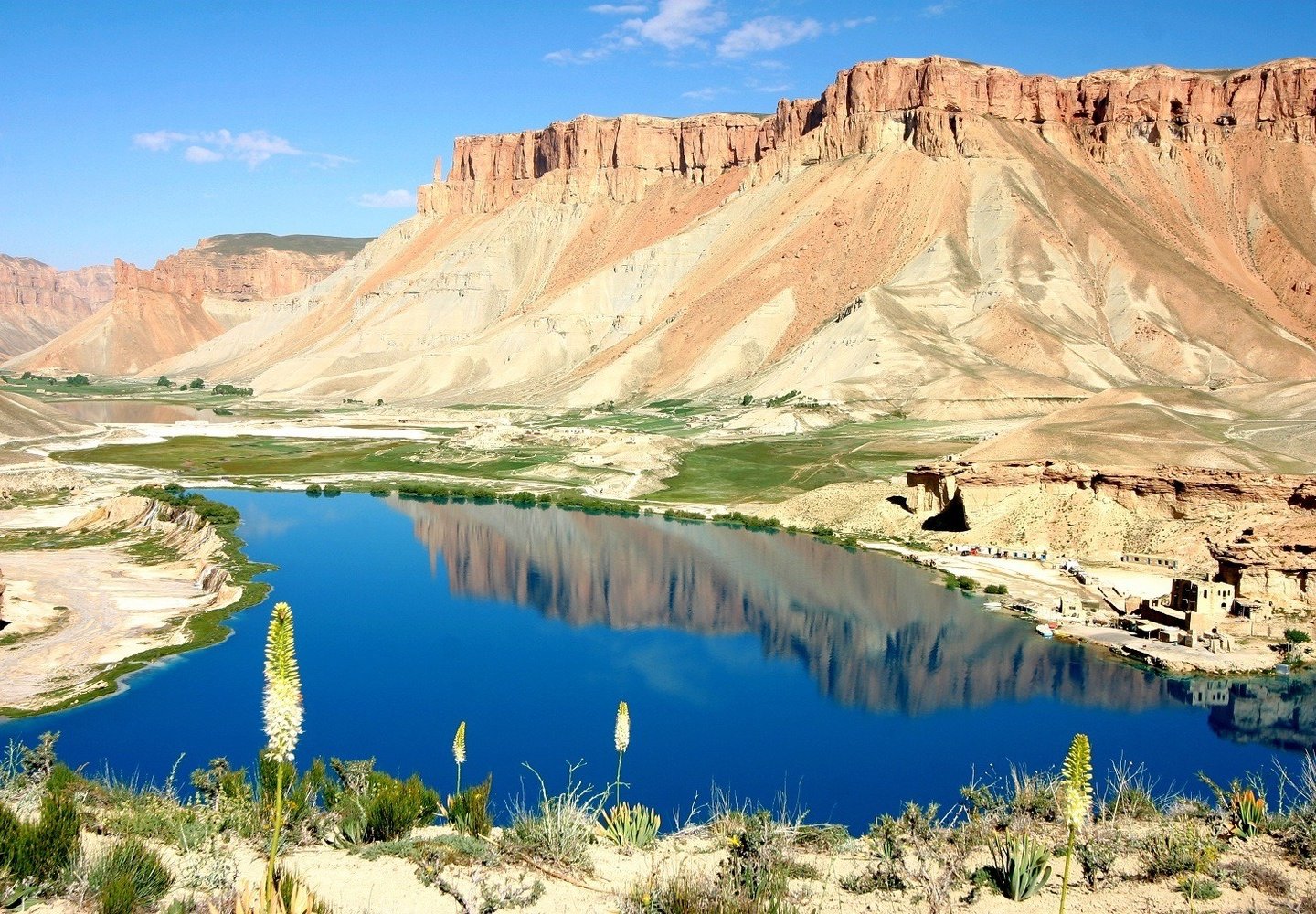
Band-e Amir National Park is a set of six outstanding lakes in the province of Bamyan, in the central highland of Afghanistan, surrounded by towering mountains. The surrounding area is also home to a great number of historic and cultural sites.
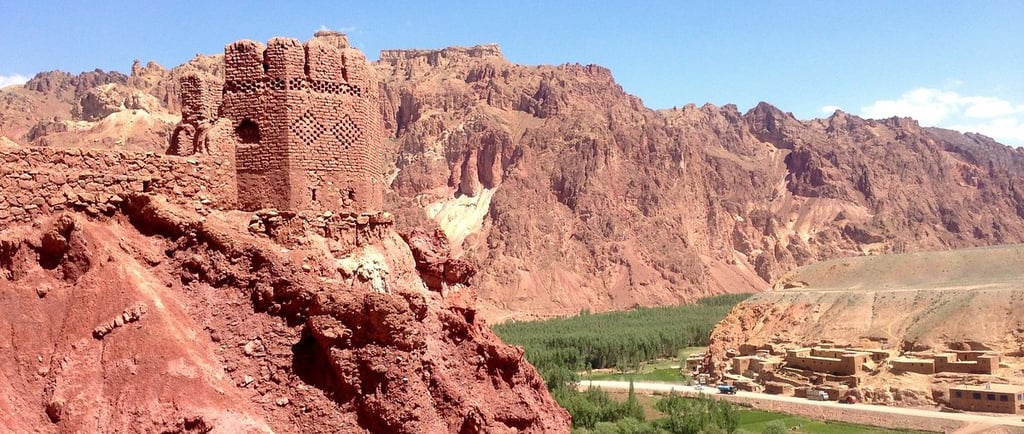
Shar-e Gholghola, is an ancient scenic city in Bamyan, it was the best guarded place during the Mongol's invasion lead by Gengis Khan. The city fell by treason and gained its tragic nickname after all its inhabitants were murdered by the bloodthirsty conquerors.
Bamyan, the valley of the Buddhas
Of everywhere we go, Bamyan is the place travellers don’t want to leave. A wide, high valley in the central highlands, ringed by snow peaks, with the two empty Buddha niches cut into a russet cliff.
It’s also one of the calmest parts of the country, home to the Hazara people.
The Buddhas, and what happened to them
Two giant standing Buddhas, carved into the cliff around the 6th century, watched over this valley for some 1,400 years. The Taliban destroyed them in 2001.
Standing in the empty niches today, with the painted caves still around them, hits harder than any photo prepares you for. The valley is on UNESCO’s World Heritage list. The Bamiyans buddhas
What else is here
Above the town stands Shahr-e Gholghola, the "City of Screams", a ruined citadel from the Mongol siege.
The blue lakes of Band-e-Amir are an easy day trip, which is why we almost always pair the two.
And there’s village life all around, with markets, bread ovens and some of the warmest welcomes in the country.
Good to know
You reach Bamyan overland from Kabul, the best part of a day’s drive across the highlands, and the road is half the experience.
Come between late spring and early autumn, when the passes are open and the valley is green. Winter is stunning but bitterly cold, and some roads close.
The town sits around 2,500 m, so take your first day gently.
See Bamyan with us
Bamyan is a highlight of our group tours, and we can build a longer stay into a private trip. It pairs naturally with Band-e-Amir
UAE
B.C.1305543
4442612247
Contacts
@unique.afghanistan
uniqueafghanistan@proton.me
Unique Afghanistan